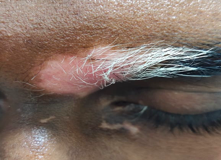
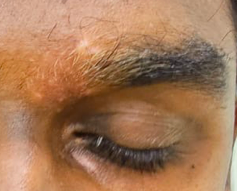
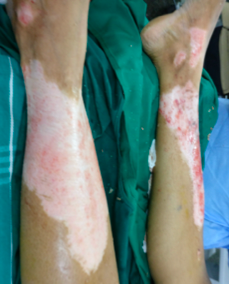
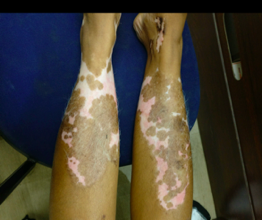
Restore skin naturally with precise Vitiligo grafting
Surgical techniques have also been introduced for stable, segmental
and unresponsive vitiligo. various surgical techniques are 1)suction blister graft 2) non- cultured cell suspension 3)punch grafting. Highest success rates have been
achieved with split-thickness skin grafts and epidermal blister grafts.
For better results, phototherapy or photochemotherapy of donor
sites can also be performed after or before grafting.
What Is Blister Grafting
Blister Grafting is an effective treatment procedure that is undertaken for treating vitiligo. In this form of treatment, suction is used for obtaining very thin skin grafts by causing a split at the dermo-epidermal junction. Certain areas like lips and areola respond well to suction blister grafting.
How Does Blister Grafting Take Place?
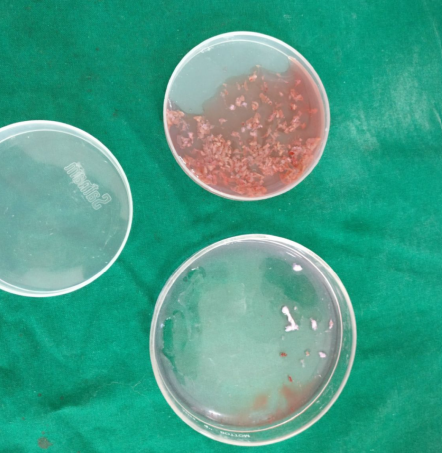
In this process, thin layers of epidermal grafts are obtained from a donor site by providing negative suction on limited areas. • The graft that is obtained is then transplanted onto the recipient site that is the dermabraded vitiliginous area, depending on the size and site of the lesion. • The graft can fall off within a period, ranging from seven days to ten days.
Advantages Of Blister Grafting
• Excellent cosmetic results. • Lower chances of scarring.
DISADVANTAGES OF BLISTER GRAFTING
• Time-consuming • Not suitable for larger areas
Larger area of vitiligo covered with NCC suspension technique.
Non cultured cell suspension
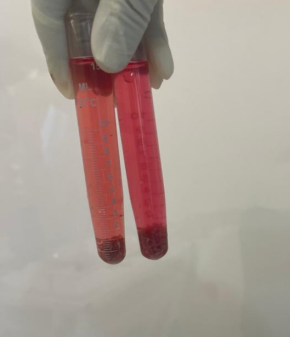
NCES) grafting in Vitiligo Involves separating skin cells from normal skin and transplanting on white spots as a cell suspension after removal of upper layer of skin superficially. It is done as a day care procedure.
Procedure • Local anaesthetic cream is applied over the donar site(outer sides of thigh ). Thin split thickness graft is taken from the donar area using hand dermatome. • The skin samples are treated with trypsin to separate the epidermal- dermal layers and later cell to cell adhesion is loosened, followed by vigorous mechanical dissociation in plasma of the patient. • The melanocytes are harvested as an autologous melanocyte rich cell suspension is then transplanted to the recipient area that had been superficially dermabraded. The area is covered with dressing for5 days
When will I see results?
The cell suspension usually dries and falls off over a week span.Repigmentation is noted 3 to 6 months post surgery. • Can I stop phototherapy after surgery? • Phototherapy is needed along with medication post surgery for faster and better result outcome. • ADVANTAGE – • Help in treating larger area • Simple and short day care procedure
Testimonials
Glowing Skin, Happy Patients Always!
Dr. Prema cleared my acne completely with her expert care. My skin feels radiant, and I’ve regained confidence. Truly the best dermatologist in Bangalore!
Priya S
The doctor was extremely professional and listened patiently to my problems before operating.
Shaurya Rajwar
I am glad I chose Dr. Premalatha and I am incredibly grateful for the care my mother has received from the doctor. From the outset, the doctor diagnosed her condition with great accuracy and ensured we fully understood the treatment plan.